Business Cash Flow
Historical and projected ability of the business to support the proposed debt.
Owner-Occupied Commercial Real Estate Financing
Owning the property your business operates from can create more control over occupancy costs and support long-term growth. Contractor Capital helps contractors and home-service businesses explore financing to purchase, build, improve, or refinance qualifying owner-occupied commercial property through independent lending partners.
Property purchases • Construction & improvements • SBA financing • Eligible debt refinancing
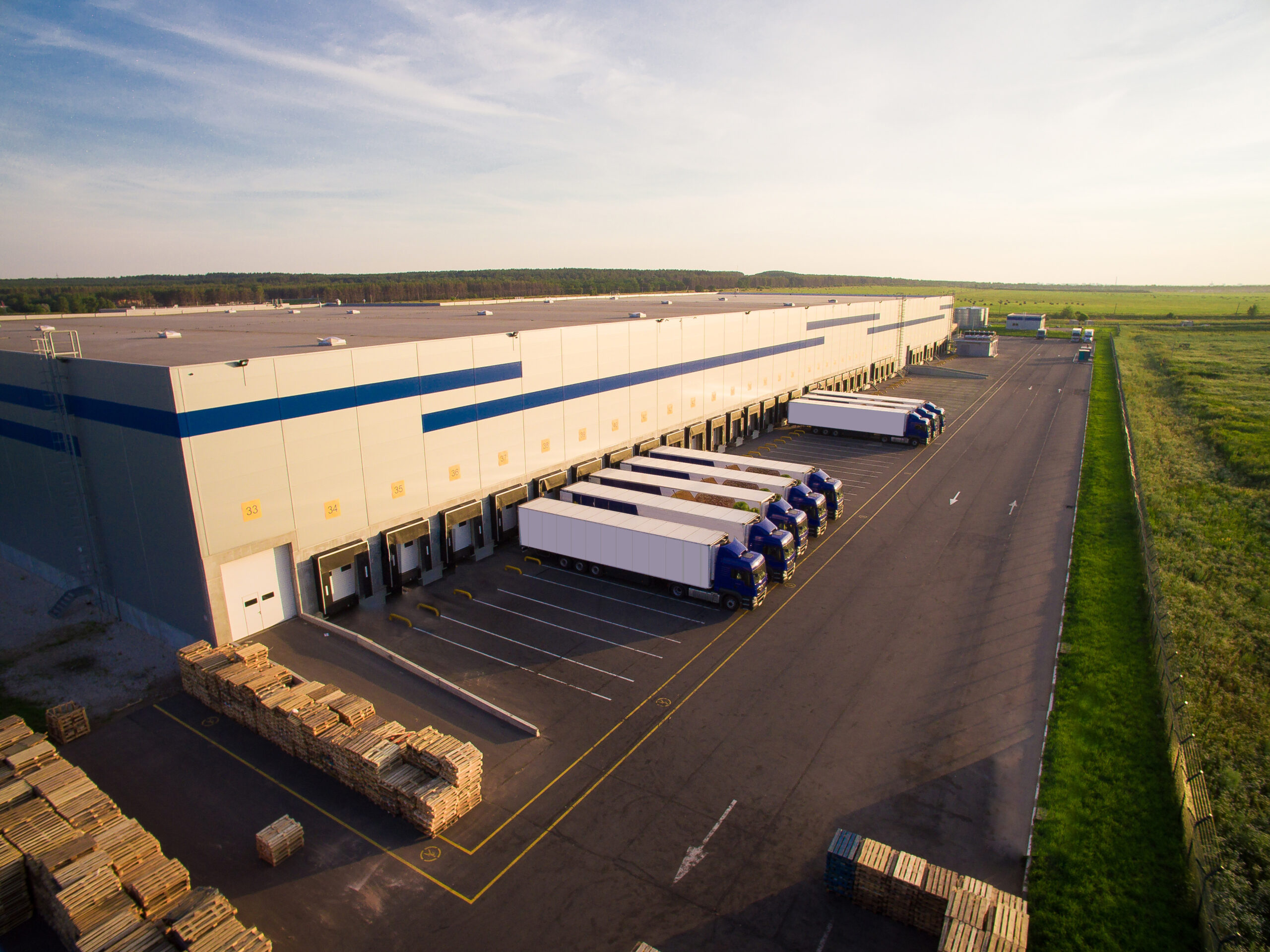
For many trades businesses, a warehouse, office, shop, service yard, or industrial facility is part of the operating infrastructure, supporting crews, vehicles, inventory, equipment, and day-to-day operations.
For the right business, owning the property it operates from can support stability, control, and future growth. Owner-occupied commercial real estate financing may be relevant when an established contractor wants to buy, build, improve, or refinance a property used in the business.
Purchase an office, warehouse, shop, or other commercial property used by the business.
Create longer-term control over the operating location rather than continuing to rent.
Acquire a larger or better-positioned property to support additional crews, equipment, or inventory.
Finance eligible construction, build-outs, renovations, or property improvements.
Refinance eligible commercial real estate debt when it improves the overall structure of the business.
The financing structure depends on the property, lender, borrower, and overall transaction. Depending on eligibility and program structure, commercial real estate financing may support several business real estate needs.
Purchase a commercial building or property to be occupied by the operating business.
Support eligible construction, expansion, tenant improvements, or interior build-out costs.
Improve functionality, efficiency, or capacity through qualifying upgrades to the property.
Refinance eligible existing commercial real estate debt when it supports a stronger overall financing structure.
In some structures, eligible equipment or related fixed-asset costs may be included alongside the real estate project.
SBA-backed financing is often part of the conversation when an established business is buying or improving owner-occupied commercial real estate.
SBA 7(a) can offer flexibility and may be relevant when the transaction includes more than just the property, such as certain refinance needs or a mix of business purposes.
SBA 504 is often considered when the focus is long-term financing for owner-occupied fixed assets such as commercial real estate and certain equipment.
Learn more about SBA financingNot every commercial real estate opportunity should be financed the same way. Some projects may fit SBA financing, while others may be better suited to another commercial real estate structure.
The right approach depends on the property type, occupancy, use of proceeds, business cash flow, equity injection, credit profile, and overall operating plan.
Contractor Capital helps evaluate the financing need first so the property opportunity can be matched with the most appropriate lending path rather than forcing every transaction into the same product.
Commercial real estate financing generally requires a detailed review of both the business and the property. Lenders want to understand whether the borrower and the real estate opportunity support the proposed financing.
Historical and projected ability of the business to support the proposed debt.
Business and owner credit profile, available liquidity, and overall financial strength.
Property type, occupancy, business use, and whether the real estate meets owner-occupancy requirements.
Operational history, management experience, and the company's ability to support the location.
Purchase, construction, renovation, refinance debt, or another qualifying business real estate purpose.
Business tax returns, financial statements, rent or mortgage history, and other supporting records.
An electrical or plumbing contractor wants to purchase a warehouse and yard space to house vehicles, inventory, and equipment rather than continuing to lease.
An HVAC or roofing company needs a larger shop and office to support additional crews, dispatch operations, and inventory storage as the business grows.
A contractor already owns the building the business operates from and wants to refinance eligible debt into a structure that better supports ongoing operations.
These are educational examples only.
Buying or refinancing commercial property can be a meaningful step for a contractor, but the financing should support how the business actually operates. The goal is not simply to buy a building. The goal is to make sure the payment structure, property use, and business cash flow all work together.
Contractor Capital helps businesses evaluate whether a real estate opportunity may be better suited to SBA 7(a), SBA 504, or another lending structure based on the property, borrower profile, and financing need.
As with all commercial financing, qualification depends on the borrower, the property, occupancy requirements, financial performance, credit profile, and lender-specific guidelines.
We help contractors and home-service businesses explore owner-occupied commercial real estate financing through independent lending partners.
Owner-occupied commercial real estate financing refers to business-purpose financing used to buy, build, improve, or refinance commercial property that will be occupied by the borrower's operating business. Qualification and structure depend on the lender, the property, and the borrower.
In some cases, yes. SBA financing may be used for qualifying owner-occupied commercial real estate transactions, depending on the structure of the deal, the borrower profile, and lender requirements.
That depends on the lender and program, but qualifying properties may include offices, warehouses, shops, industrial buildings, mixed-use commercial space, and other real estate used by the operating business.
Owner-occupied generally means the business borrowing the funds will occupy and use the property in its operations, rather than holding it strictly as an investment property.
In some cases, yes. Eligible commercial real estate debt may be refinanced when it fits the lender's guidelines and the overall structure of the financing makes sense.
Lenders typically review business cash flow, credit profile, liquidity, property details, occupancy, use of proceeds, and supporting financial documentation.
Not always. In some situations, owning the property may create long-term value and stability. In others, leasing may still be the better fit. The right answer depends on the business, the property, and the financing structure.
Contractor Capital is not a lender and does not provide financial, legal, or tax advice. Funding availability, terms, rates, and approvals depend on the applicant, lender, business profile, creditworthiness, documentation, revenue, and other underwriting factors. Information on this page is educational and should not be considered a guarantee of approval or specific funding terms.